
Most compliance functions produce more information than ever.
File reviews. Complaints. Incidents. Breach assessments. Training records. Risk registers. Remediation actions.
Yet when a systemic issue emerges, boards often ask the same question:
Why did we not see this sooner?
The problem is rarely a lack of information. It is a lack of connection.
Activity is not insight
Traditional compliance reporting focuses heavily on activity:
- 42 file reviews completed
- six complaints received
- three breaches assessed
- 12 staff completed training
These measures confirm that work occurred. They do not necessarily show whether the organisation's risk profile is improving.
A board needs to know more.
Are the same issues appearing across different advisers? Are complaints and file review findings pointing to the same control weakness? Has remediation reduced recurrence? Is risk concentrated in a particular product, business unit or advice type?
Those questions cannot be answered by counting activities.
Governance intelligence connects evidence
Every compliance activity produces evidence.
A complaint may identify customer harm.
A file review may reveal poor disclosure.
A breach assessment may expose a control failure.
A training record may show that staff received guidance.
Viewed separately, each may appear manageable. Viewed together, they may demonstrate a persistent or systemic weakness.
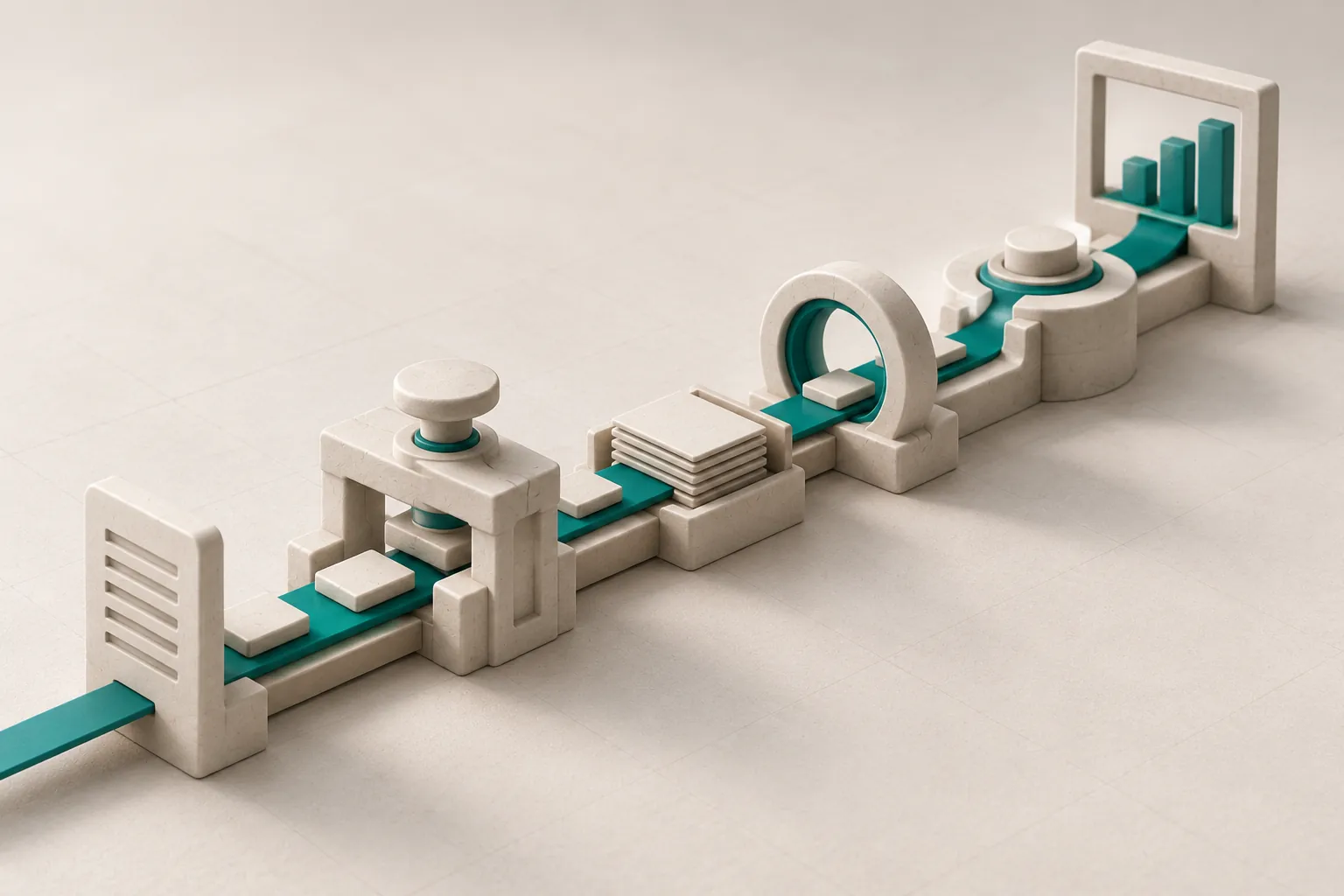
Governance intelligence is the process of connecting those observations so that decision-makers can identify:
- recurring themes
- risk concentrations
- control failures
- ineffective remediation
- emerging systemic issues
The value does not come from collecting more data. It comes from understanding the relationships within it.
Dashboards can still conceal risk
Dashboards are useful, but they can create false confidence.
Averages, completion rates and traffic-light indicators simplify complex information. In doing so, they can smooth over the very concentrations that governance needs to examine.
A 92 per cent compliance result may look reassuring. It may be less reassuring if the remaining 8 per cent relates to high-value replacement advice, vulnerable clients or repeated conduct by the same adviser.
Good governance reporting does not merely summarise performance. It directs attention to the observations that matter most.
Technology should support judgement
Technology should not replace the judgement of compliance professionals, Responsible Managers or boards.
Its role is to make evidence easier to connect, analyse and escalate.
That means more than digitising registers or automating reminders. A mature compliance platform should help users link complaints, monitoring findings, incidents, breach decisions and remediation actions into a single evidence base.
This makes it easier to identify themes that would otherwise remain dispersed across spreadsheets, inboxes and reports.
What this means in practice
A compliance function should be able to answer:
- What risks are increasing?
- Which issues are recurring?
- Where are controls failing?
- Which remediation actions have not worked?
- What requires management or board attention now?
If the reporting process cannot answer those questions, it is producing information rather than governance intelligence.
How [complyᵉ] supports this
[complyᵉ] helps licensees connect compliance activities into a common governance evidence framework. It supports thematic analysis, remediation tracking and reporting based on linked evidence rather than isolated activity counts.
The objective is not a larger dashboard.
It is better judgement.